
15 minutes with… is a Moonbase Capital series that picks searchers’ brains on current market conditions, what challenges they are facing and the actual technicalities of what it takes to be a searcher.
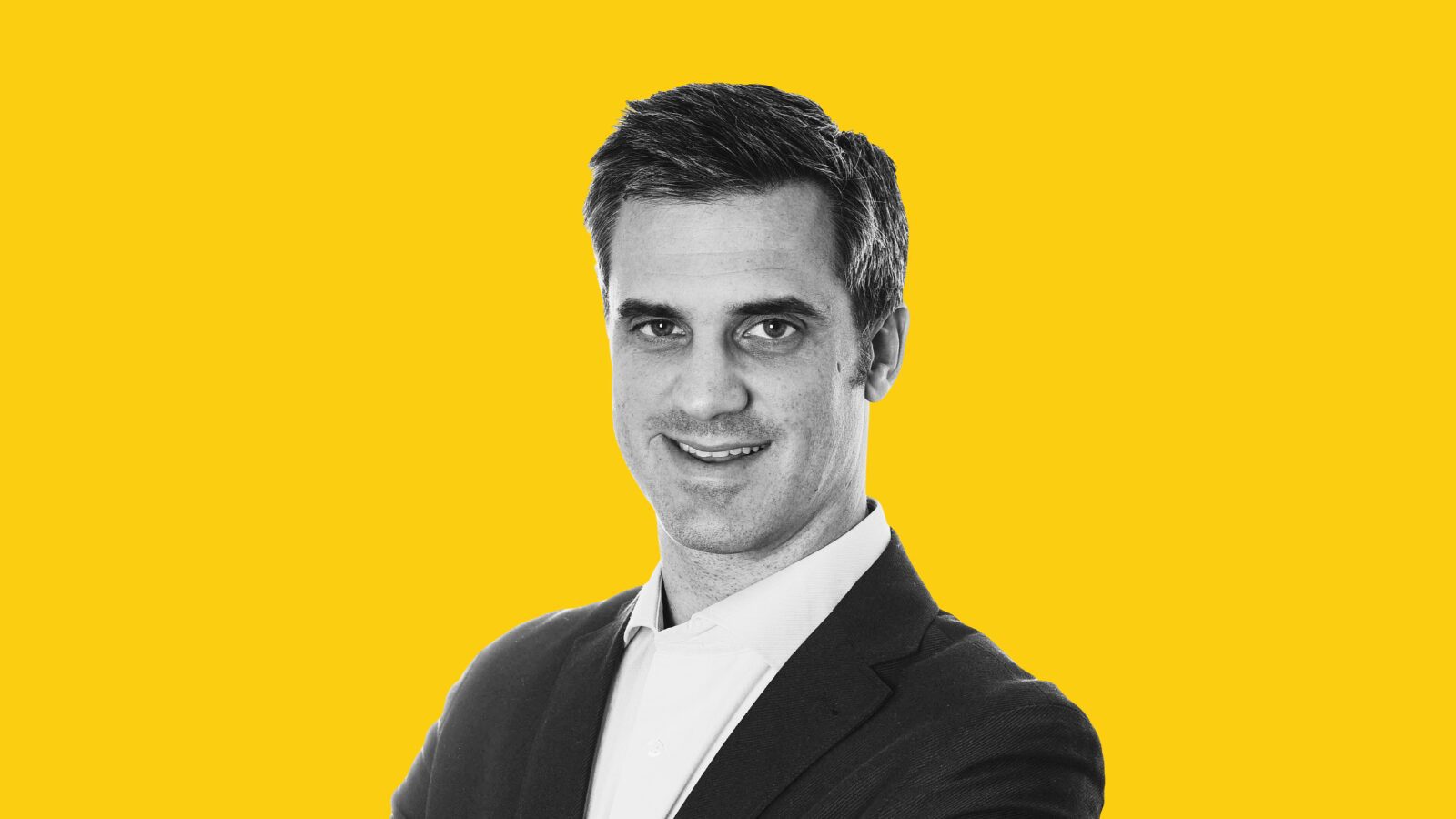
Jorge Oriol, founder and managing partner at Barcelona-based search fund Rigi Capital, officially launched his fund in May 2023. He is looking to deploy the capital he raised in the coming two years, with sight on companies in Spain.
Sneak peek at Jorge’s origin story: Jorge is originally from Barcelona and an industrial engineer by training. He loves cars, and spent four years working in the automotive sector.
Having completed his MBA in Barcelona, Jorge was fascinated by the search fund model, and in order to be able to pursue a career as a business owner, he joined a leadership development program with healthcare company Johnson & Johnson. He worked there for six years in operations and supply chain roles. After that, he decided to take the leap and used the search fund model to finally become a business owner. He’s married and has three sons.
MC: Are you looking for a company in a certain sector?
JO: Given that Spain is a relatively small market, we are sector-agnostic, owever we always look for sectors that are growing and have strong tailwinds. Healthcare and edtech are two of those sectors today, where we are eyeing companies that are part of a niche industry.
MC: Is the search fund ecosystem saturated in Spain?
JO: The number of search funds in Spain has increased substantially, but I don’t feel like this is problematic. We’re about 20-30 active searchers in Spain currently. When you compare that to the number of companies that could be eligible for an acquisition, which are about a couple of thousand, the market is vast and full of opportunities.
MC: What’s the best and worst part of your job?
JO: The best part of my job is to meet business owners. We basically have the opportunity to talk to the most successful business owners in Spain in that midsized business segment, which is a great opportunity to learn and a great source of inspiration. The worst part is to manage all the ups and downs. There are times where you get very excited about a certain company, but you feel that you’re not getting the traction for that specific opportunity.
MC: What do you look for in a potential acquisition?
JO: We firstly look for a set of numbers that prove that company’s potential for growth. Secondly, we look at the business model and evaluate whether the company’s positioning in the sector or niche industry will enable its growth. Lastly, I think about whether I would be comfortable being the CEO of that company for the next 5-10 years, and whether I am a cultural fit for it, or not.
MC: Are there any trends that you’re basing your direction on?
JO: Europe’s aging population is one thing we’re very aware of. Anything that is somehow related to that is considered a tailwind or an area that we like. Sustainability is another trend that we think is key and has become the focus of big and small companies everywhere. Companies are actively investing in sustainability, and are driving a lot of efforts into that direction, and countries are increasingly driving the mandate of sustainability forward.
MC: How have high interest rates and the recession impacted what you do?
JO:The impact, for me, does not come from the fact that we need to obtain debt at higher interest rates from a bank to buy the company we choose. I am confident that I will be able to convince a bank to finance the acquisition of a great business. But rather, I’m more worried about how higher interest rates may slow down the economy and stretch out the recession. That’s why we are actively seeking companies that have shown resilience towards external factors.
MC: And how do you evaluate a company’s resilience?
JO: If this company has been growing in a sector or niche sector that enjoys the tailwinds of the trends I mentioned earlier, this is a positive sign. Additionally, we look at companies that are not exposed to capital expenditures (capex). Typically when there’s a crisis, companies reduce their capex investments. Hence, if you see a company that sells big machinery, for example, you know that this could be an issue moving forward in scope of a recession.
MC: Has the rocky and changing relationship between the EU and China impacted your search, given that you are interested in some sectors that require specific equipment and raw materials?
JO: I look at these tensions from an optimistic perspective. These tensions will create an opportunity to localize certain products or services. When you look for these small and medium-sized companies that are now competing globally, I think they will have a stronger value proposition and be able to generate more trust than others that are working or partnering with China. We’ve seen all these tensions in the supply chain, leading companies to rely on partners that are closer to home that they can trust.